What is a maker?


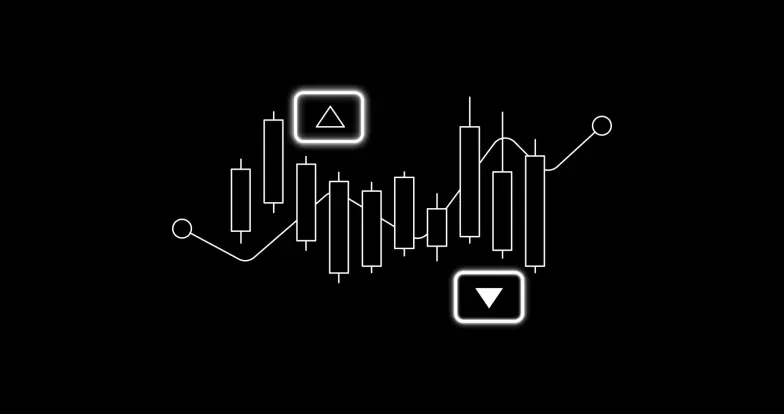
A maker is the party that first provides a quote in an order book and later trades when another order matches it. An order book records unfilled buy and sell quotes and their quantities. In order-book-based crypto spot and derivatives markets, makers provide prices at which other traders can buy or sell.
How does a maker execution happen?
If an order does not match immediately after submission and instead rests in the book, it provides a quote for subsequent trading. When an opposite-side order later accepts that price and the trade executes, the party that originally provided the quote is the maker for that execution.
For example, suppose the lowest ask in a spot market is currently 100 USDT. A trader submits a limit buy order at 99 USDT. With no eligible sell order available, the buy order first enters the book. Another trader later submits a sell order that can match it, and they trade at 99 USDT. The party that placed the resting buy order is the maker. USDT is the quote asset here. The numbers are illustrative, assuming valid orders that can match each other.
A seller can also be a maker: when a resting sell order trades with a later buy order, the party that first offered the ask is the maker. Maker is therefore a role in a particular execution, not a fixed identity as buyer or seller.
Posting quotes gives other orders an opportunity to trade, commonly called providing liquidity. Here, liquidity means the market’s ability to execute trades at the relevant prices. A waiting order is not a completed purchase or sale and is not guaranteed to fill later.
How do makers differ from takers?
The difference is who first provides a quote and who accepts an existing one. The party that immediately matches an order already in the book is the taker. In the example, the queued buy order is the maker, and the later sell order that trades with it is the taker.
| Comparison | Maker | Taker |
|---|---|---|
| How it participates | Provides a quote in the book first; it is matched later | Accepts an existing quote in the book and trades |
| Effect on quoted quantity | Adds quantity available for matching when posted | Removes the corresponding available quantity when executed |
| Relationship to trade direction | Buyers and sellers can both be makers | Buyers and sellers can both be takers |
Roles must be assessed by actual executions. A limit order may execute partially immediately, making that portion a taker execution. The remaining quantity may enter the book and become a maker execution only if another order later trades with it. The whole order cannot automatically be assigned a single role.
Why are maker and taker fees different?
Trading platforms can set different rates for providing and taking quotes. For example, OKX’s trading fee explanation charges the two roles separately and notes that maker rates are generally lower to encourage quote provision. Actual fees still depend on the account’s fee schedule and trading product; there is no universal difference that applies to every order.
A limit order does not necessarily incur the maker rate. If it immediately matches an existing quote after submission, that execution is still classified as taker. Unfilled portions do not incur execution-based trading fees.
A maker is also not the same as a market maker. Maker describes an execution role, whereas a market maker generally means a participant that continually provides buy and sell quotes. Market makers can also have taker executions, and ordinary traders can have maker executions.
Related terms
Explore takers, post-only orders and the bid-ask spread, or return to the crypto glossary.
References
© 2025 OKX. Niniejszy artykuł może być powielany lub rozpowszechniany w całości, a także można wykorzystywać jego fragmenty liczące do 100 słów, pod warunkiem że takie wykorzystanie ma charakter niekomercyjny. Każde powielanie lub rozpowszechnianie całego artykułu musi również zawierać wyraźne stwierdzenie: „Ten artykuł jest © 2025 OKX i jest używany za zgodą”. Dozwolone fragmenty muszą odnosić się do nazwy artykułu i zawierać przypis, na przykład „Nazwa artykułu, [nazwisko autora, jeśli dotyczy], © 2025 OKX”. Niektóre treści mogą być generowane lub wspierane przez narzędzia sztucznej inteligencji (AI). Nie są dozwolone żadne prace pochodne ani inne sposoby wykorzystania tego artykułu.